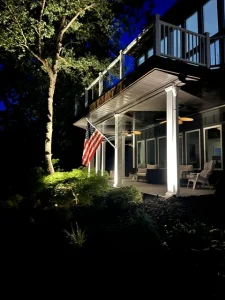
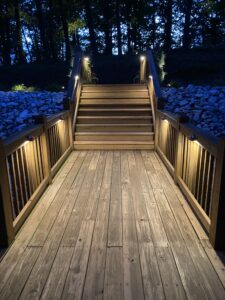
Professional Waterproof Outdoor Lighting Installation in South Carolina
Enhancing your property with a professionally designed illumination system is one of the most impactful upgrades you can make. It transforms your outdoor living spaces, accentuates architectural details, and provides vital security around your property paths. However, in an environment like South Carolina, raw atmospheric elements pose a continuous threat to electrical systems. From the intense humidity of the Lowcountry and heavy coastal salt air to torrential summer thunderstorms and flash flooding, the external environment actively works to penetrate and destroy standard fixtures.
To ensure your landscape illumination remains safe, functional, and brilliant for years to come, you must invest in a specialized waterproof outdoor lighting installation.
Many property owners mistakenly assume that any fixture labeled “outdoor” is equipped to handle long-term exposure to heavy moisture. In reality, standard weather-resistant retail products frequently succumb to corrosion, internal condensation, and electrical shorts within a few short seasons. A true commercial-grade system requires precise component matching, advanced moisture sealing, and an engineering protocol designed specifically to keep water out of your electrical conduits. This comprehensive guide breaks down the science of moisture protection ratings, analyzes the best materials for Southern climates, and outlines the professional installation sequence required to protect your investment.
The Core Science: Understanding Ingress Protection (IP) Ratings
To execute a flawless waterproof outdoor lighting installation, technicians rely on a standardized grading metric known as the Ingress Protection (IP) rating system. This international standard defines exactly how effective an electrical enclosure is at preventing foreign objects, dust, and moisture from penetrating the internal housing. Consequently, understanding these metrics helps you select the right equipment for each zone.
An IP rating consists of two distinct digits:
- First Digit (Solid Protection): Ranging from 0 to 6, this number dictates the fixture’s resistance against solid objects, sand, and dust particles. Specifically, a rating of 6 represents total protection against dust ingress.
- Second Digit (Liquid Protection): Ranging from 0 to 9, this number defines the enclosure’s resistance against moisture. This scale moves from light vertical condensation up to continuous high-pressure submersion.
For a South Carolina climate, matching the specific IP rating of a fixture to its exact physical location in your landscape is vital. Review this structural reference table to see how different illumination zones dictate your component requirements:
| Lighting Application | Minimum IP Requirement | Exposure Level | Primary Environmental Threat | Ideal Fixture Material |
| Path & Accent Lights | IP65 | Moderate – Exposed to rainfall, humidity, and lawn irrigation systems. | Direct water jets, dust accumulation, coastal humidity. | Solid Die-Cast Brass |
| Well & In-Grade Lights | IP67 | High – Buried flush with the earth; exposed to temporary pooling water. | Total temporary submersion, heavy soil pressure, lawn mower impact. | Heavy-Duty Cast Brass or Composite |
| Underwater Architectural | IP68 | Continuous – Submerged inside water features, ponds, or pool perimeters. | Constant hydrostatic water pressure, chemical corrosion. | Marine-Grade Stainless Steel |
Material Selection: Combating Coastal Corrosion
The longevity of a waterproof outdoor lighting installation is heavily dictated by the metallurgy of the fixtures themselves. South Carolina’s coastal air carries high concentrations of sodium chloride, which acts as an aggressive catalyst for oxidation and chemical degradation.
- The Aluminum Trap: Cheap, painted aluminum fixtures are highly popular in retail big-box stores, but they fail rapidly in coastal climates. The moment a minor scratch or chip occurs in the painted exterior finish, the salt air makes direct contact with the raw aluminum underneath. This triggers rapid galvanic corrosion, causing the metal to pit, turn white, bubble, and flake away, completely compromising the internal moisture seals.
- The Solid Brass Standard: To achieve a permanent, lifetime installation, professional designers utilize solid die-cast brass or copper components. Brass is inherently non-ferrous, meaning it cannot rust or degrade when exposed to continuous moisture and salt air. Over time, raw brass will naturally develop a handsome, dark-greenish patina that blends beautifully with landscape foliage, while the structural thickness of the metal ensures the internal O-ring moisture seals remain perfectly compressed and watertight for decades.
Step-by-Step Playbook: The Waterproof Installation Sequence
Safely managing electrical currents in an outdoor environment requires a precise, multi-stage engineering approach. A single weak connection or unsealed wire splice can act as a straw, allowing capillary action to pull moisture straight into the fixture housing, resulting in an immediate system short.
The Moisture-Sealing Protocol
1.Execute a Detailed Site and Drainage Survey:Design phase.
Before burying a single wire, map out the layout of your landscape, paying close attention to low-lying grading zones, downspout paths, and automatic irrigation zones. Avoid placing standard fixtures in areas prone to deep puddle pooling, or engineer advanced gravel French drains beneath flush well lights to route water away from the housing.
2.Trench and Bury Low-Voltage Conduit Wire:12-inch depth.
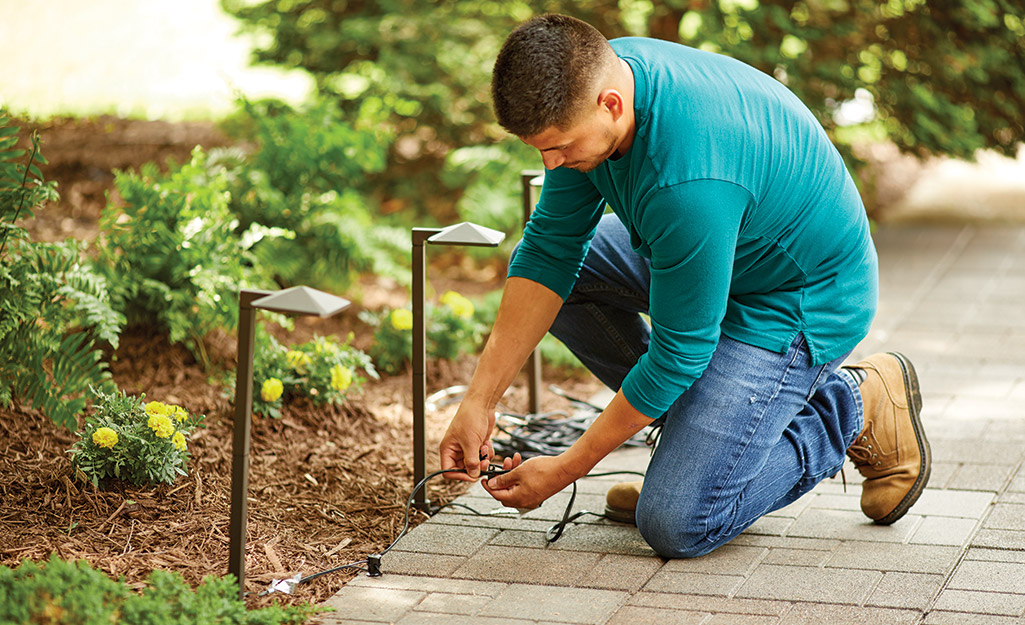
Dig trenches a minimum of 12 inches deep across the yard to protect your low-voltage lines from future landscaping tools, aerators, and lawn edgers. Utilize high-grade direct-burial landscape wire (typically 12-gauge or 10-gauge) designed specifically to withstand continuous exposure to wet, acidic soil conditions without degrading.
3.Implement Watertight Gel-Filled Wire Splices:Moisture protection lock.
Never use standard electrical tape or twist-on wire nuts outdoors. All electrical connections must be secured using specialized heat-shrink connectors or professional gel-filled silicone wire nuts. The waterproof silicone gel completely encapsulates the bare copper strands, blocking out moisture, soil acids, and insect intrusion permanently.
4.Compress Internal Silicone O-Rings and Lenses:Gasket inspection.
During assembly, inspect the silicone gaskets and O-rings inside every fixture head to ensure they are seated perfectly flush without any twists or dirt particles. Apply a thin layer of specialized dielectric grease to the rubber components before tightening the hex screws, creating an airtight seal that locks out high humidity and heavy rain.
5.Perform a Digital Multimeter Voltage Test:System check.
Once the entire loop is installed and connected to a premium multi-tap transformer, test each individual fixture with a digital multimeter. Verify that the incoming voltage rests consistently between 10.5 and 12 volts, preventing voltage drops that can overheat LED drivers and shorten the lifespan of your waterproof components.
Proactive Maintenance: Preserving Your Waterproof System
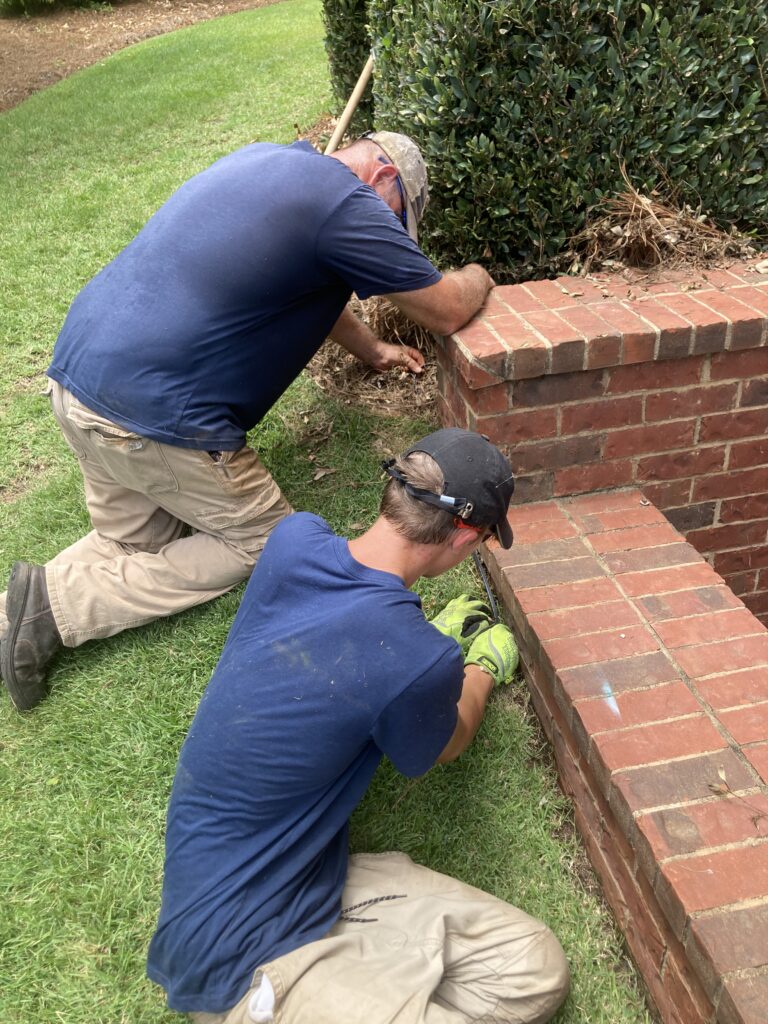
Even the highest quality waterproof outdoor lighting installation requires periodic maintenance. This care ensures its seals remain fully intact over time. Over the course of a year, decaying leaves, mulch debris, and dirt can accumulate directly over well lights and accent fixtures. Consequently, this buildup traps heat and moisture against the lenses. To prevent issues, make it a habit to check your fixtures once a season. Gently wipe away debris with a soft microfiber cloth and a mild, non-abrasive soap solution.
Furthermore, keep a close eye on your automated landscape irrigation system. Ensure your sprinklers are adjusted properly to avoid spraying high-pressure water directly into the lens seals on a nightly basis. While professional systems are engineered to handle heavy rainfall easily, continuous, targeted, high-pressure impact from irrigation heads can eventually warp components. Therefore, careful adjustment protects your protective gaskets from wearing down prematurely.
According to structural electrical safety data published by the National Electrical Manufacturers Association (NEMA), routine landscape lighting inspections and timely gasket maintenance are incredibly effective. In fact, they can eliminate up to 95% of all outdoor electrical faults. Consequently, this simple diligence significantly reduces long-term system ownership costs for the property owner